
Taylor County Bankruptcy Records
Taylor County bankruptcy records offer important financial documentation for Campbellsville residents. These federal court files contain petitions from individuals and local businesses. The Western District of Kentucky processes all Taylor County cases through the Bowling Green Division. Understanding these records helps residents research debt relief history. The documents remain available as public information. Proper access methods ensure efficient record retrieval.
Find Taylor County bankruptcy records using official channels. Federal courts maintain these public documents.
Taylor County Quick Facts
Taylor County Bankruptcy Court Location
The Western District of Kentucky manages Taylor County filings. The Bowling Green Division serves this area. Taylor County bankruptcy records originate here. The courthouse provides access to documents. Staff assist with record requests.
See the court locations map below. View the court locations image for details.  This displays all Western District offices.
Campbellsville residents file in Bowling Green. The distance requires travel planning. Court hearings occur at this location. Some meetings may happen locally. Check notices for specific details.
| Court Detail | Information |
|---|---|
| District | Western District of Kentucky |
| Division | Bowling Green |
| Address | 241 East Main Street, Bowling Green, KY |
| Phone | (502) 627-5700 |
| Largest City | Campbellsville |
Court hours follow standard schedules. Monday through Friday availability applies. Holiday closures affect access. Call to confirm operating times.
How to Access Taylor County Bankruptcy Records
PACER offers online record access. Taylor County bankruptcy records appear in this database. Registration begins with a free account. Page views incur small charges. Users receive monthly billing statements.
See the PACER system below for online searches. Access PACER here to start searching.  This system contains federal court filings.
Search methods include name and case number. Date ranges help filter results. The system updates records daily. New filings appear within hours. Taylor County cases process normally.
Courthouse terminals provide free access. Visitors use these public stations. Staff offer basic assistance. Printing carries nominal fees. This option saves online costs.
Mail requests work for document copies. Include specific case information. Processing takes several days. Fees apply per page copied. Payment must accompany requests.
Taylor County Bankruptcy Records Types
Chapter 7 filings provide debt liquidation. This option eliminates unsecured debts. The trustee oversees asset distribution. Most cases conclude within months. Many Taylor County residents choose this path.
See the case information example below. View sample case information here. 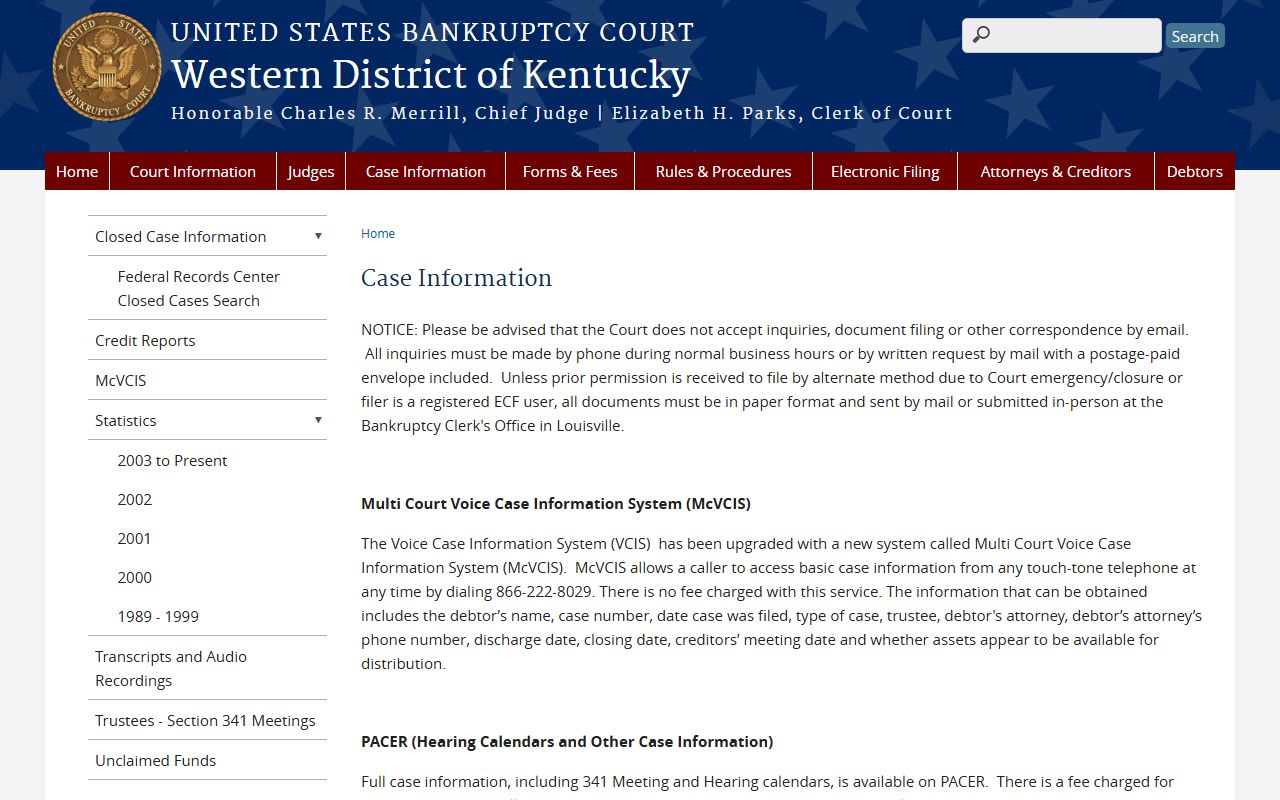 This shows typical record content.
Chapter 13 creates repayment plans. Debtors retain property ownership. Monthly payments span years. The trustee manages distributions. This suits those with steady income.
Business reorganizations use Chapter 11. Companies continue daily operations. Debts restructure through court approval. This process takes longer. Complexity requires legal guidance.
Case documents include multiple filings. Petitions start the process. Schedules list assets and debts. Motions request court actions. Discharges end qualifying cases.
Taylor County Bankruptcy Filing Process
Pre-filing counseling remains mandatory. Approved agencies provide certificates. This step must precede filing. Certificates expire after time passes. Complete this close to filing.
See the court information page below. View court information details for guidance. 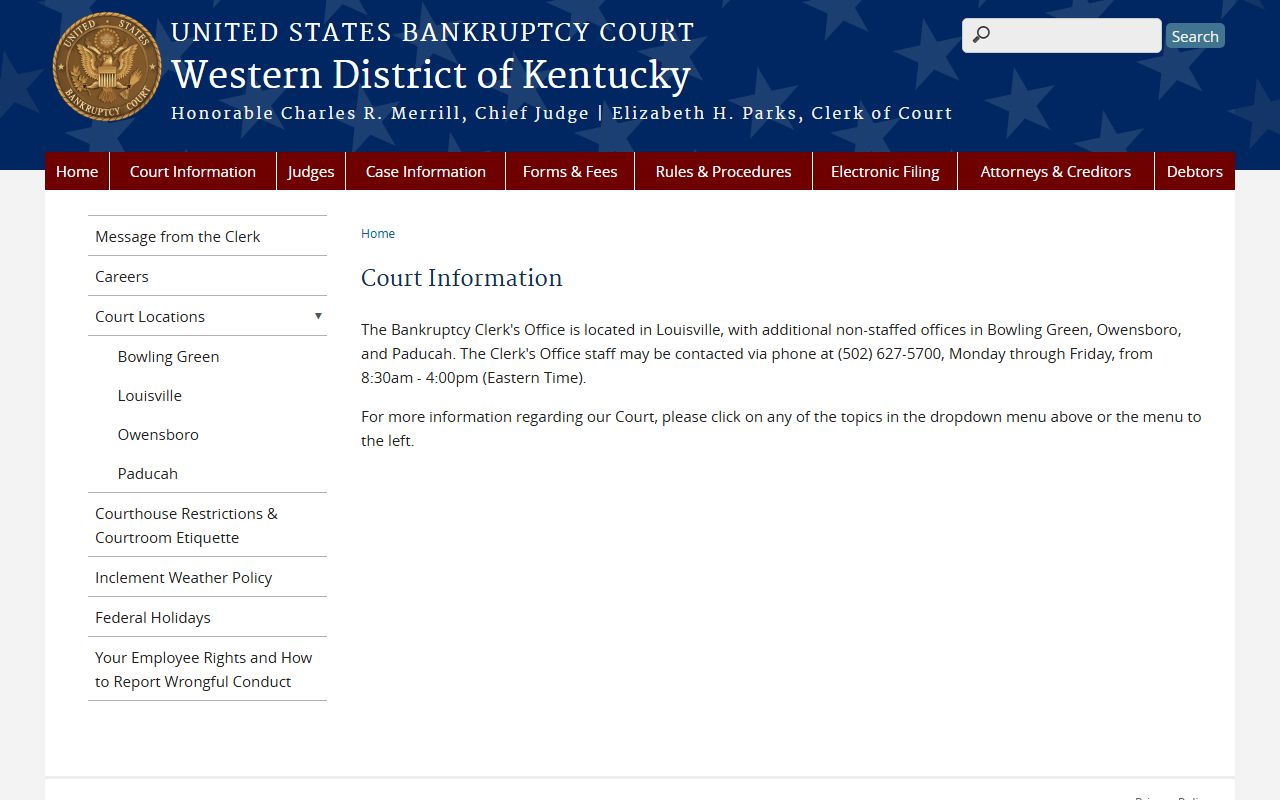 This provides official filing procedures.
The petition requires complete financial disclosure. Income sources must appear accurately. Asset valuations need documentation. Debt lists must include all creditors. Accuracy prevents future problems.
Filing fees differ by chapter. Chapter 7 costs less initially. Chapter 13 involves ongoing payments. Waivers exist for low income. Installment plans help manage costs.
The 341 meeting follows filing. Trustees ask questions under oath. Creditors may attend but rarely do. Preparation helps this proceed smoothly. Documents must accompany the debtor.
Taylor County Bankruptcy Records Costs
Copy charges apply at the courthouse. Each page carries a fee. Certification adds extra costs. Payment methods vary by location. Plan for these expenses.
See the fee schedule below for rates. View the fee schedule image here.  This shows standard court costs.
PACER bills accumulate monthly. Each page viewed adds charges. Audio files cost more. Accounts under certain amounts waive fees. Regular users monitor spending.
Attorney fees vary significantly. Case complexity affects pricing. Simple Chapter 7 cases cost less. Chapter 13 requires more work. Always discuss fees upfront.
Free resources support research. Libraries offer reference access. Legal clinics provide basic help. Online guides explain procedures. Budget wisely for necessities.
Legal Help for Taylor County Bankruptcy Records
Attorneys navigate complex bankruptcy law. They protect client interests. Legal mistakes prove costly. Professional guidance helps avoid errors. Many residents hire attorneys.
See the pro se filing resources below. View filing without attorney guidance here.  This assists those filing alone.
Legal aid helps qualifying residents. Income guidelines determine eligibility. Kentucky Legal Aid serves the region. They offer document assistance. Contact them for screening.
Lawyer referrals connect clients to attorneys. Kentucky Lawyer Referral provides this service. Initial consultations often remain free. Compare several attorneys before choosing. Ask about payment arrangements.
Self-filing remains an option. Forms are available online. The court provides basic instructions. Research thoroughly beforehand. Understand the requirements fully.
Nearby Bankruptcy Records
Adjacent counties share court resources. The Bowling Green Division serves multiple areas. Researchers should check neighboring counties. Cases may cross jurisdictional lines.
See related county pages below. Warren County files in the same court. Hardin County uses the same division. Both maintain similar records.
Multi-county searches yield better results. Creditors may file from elsewhere. Business operations span county lines. Comprehensive research covers all bases.
Federal standards ensure consistency. All districts follow national rules. Local procedures vary minimally. This helps researchers understand the system.