
Radcliff Bankruptcy Records
Radcliff sits in the heart of Hardin County, Kentucky. This growing city lies near Fort Knox. Many residents need bankruptcy records access. These records help with financial fresh starts. They also assist with legal matters. Property research often requires them. Employment verification sometimes needs them. Radcliff residents file in Louisville. The Western District handles all local cases. This page explains the process clearly. You will learn where to search. You will find what documents you need. The information helps you move forward. Bankruptcy records tell important stories. They show financial recovery paths. Understanding them brings peace of mind.
Search for Radcliff Bankruptcy Records using the tools provided above.
Radcliff Bankruptcy Court Facts
Radcliff Bankruptcy Records Court Location
Radcliff residents file bankruptcy cases in Louisville. The Gene Snyder Courthouse handles these filings. It is a staffed office. Clerks work there daily. You can ask questions in person. The office is open weekdays. Hours are 8:30 AM to 4:00 PM. Eastern Time applies. The building is downtown. Parking is available nearby. The address is 601 West Broadway. This is a federal courthouse. Security screening is required. Bring valid identification. Leave prohibited items home. Cell phones may have restrictions.
The Louisville Division serves central Kentucky. Hardin County falls within this division. So do many surrounding counties. All local cases go here. The court assigns case numbers. These start with specific prefixes. They identify the filing year. They also show the case sequence. Keep your case number safe. You will need it often. It accesses your records. It tracks your case status. All future filings reference it.
Bankruptcy cases follow federal law. The Bankruptcy Code controls everything. Local rules add requirements. These vary by district. The Western District has specific rules. They cover document formats. They specify filing procedures. They address local customs. You must follow all rules. Failure causes delays. It may cause dismissal. Read the local rules first. They are on the court website. Ask the clerk if confused. Get clarification early. This prevents later problems.
Many Radcliff filers choose Chapter 7. This liquidates non-exempt assets. It discharges most debts quickly. The process takes about four months. Chapter 13 is another option. This involves repayment plans. Plans last three to five years. Debtors keep their property. They pay debts over time. Chapter 11 serves businesses. It also helps some individuals. These cases are complex. They require attorney assistance. Self-filing is not advised. The stakes are too high.
Below is the contact information for the Louisville office. This is where Radcliff cases are filed. Use this for all inquiries. Phone calls work well. Emails also reach the staff. In-person visits are welcome. Choose what works for you. Response times vary. Allow several business days. Urgent matters may need visits. Plan accordingly for your needs.
| Court | Western District of Kentucky - Louisville Division |
|---|---|
| Address |
Gene Snyder Courthouse 601 W Broadway Louisville, KY 40202 |
| Phone | (502) 627-5700 |
| Hours | Monday through Friday, 8:30 AM to 4:00 PM ET |
| Website | kywb.uscourts.gov |
View the courthouse location where Radcliff Bankruptcy Records are processed.
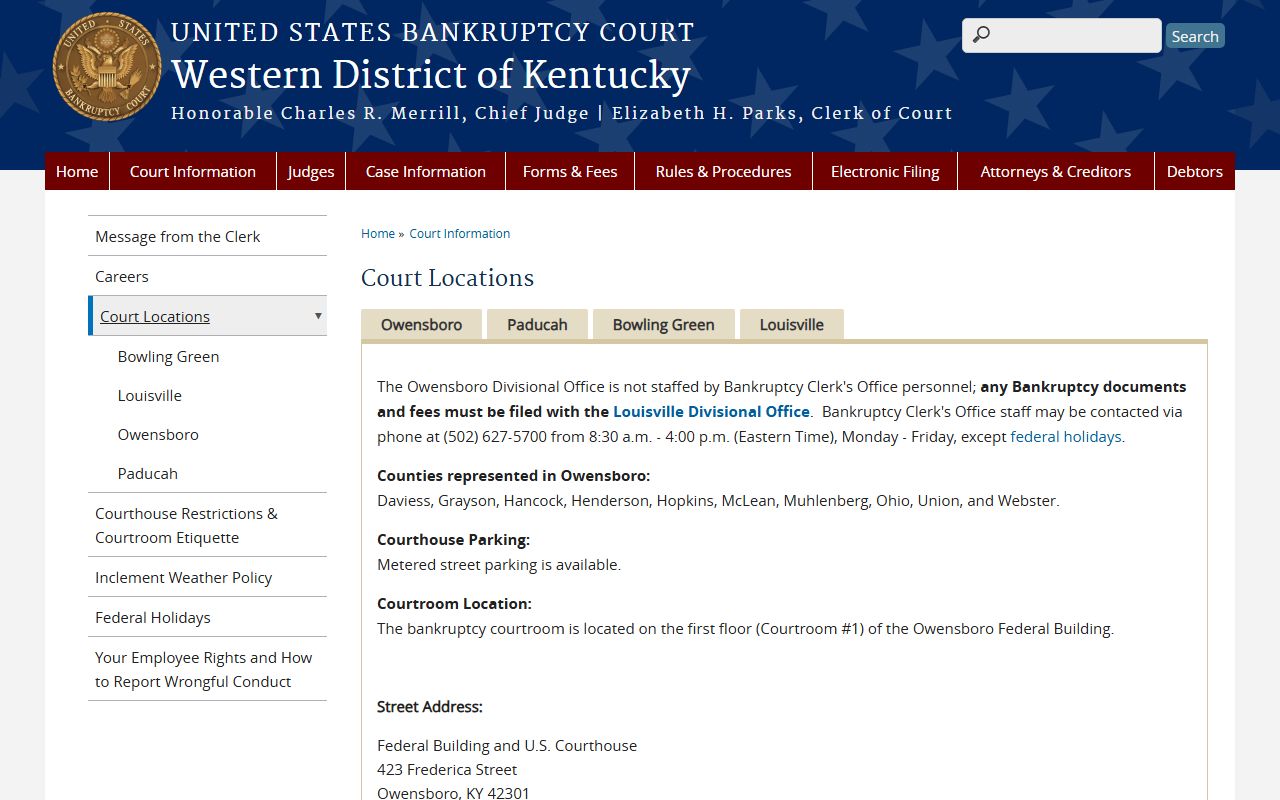
The Louisville courthouse handles all Hardin County bankruptcy filings.
How to Search Radcliff Bankruptcy Records
Searching Radcliff Bankruptcy Records starts with PACER. This is the federal system. It holds all case documents. You need an account first. Registration is free online. Visit the PACER website. Provide your contact information. Create a username and password. Then add a payment method. Credit cards work best. You can also use bank accounts. The system charges per page. Each page costs ten cents. Fees add up quickly. Plan your search carefully. Know what you need before starting.
The search interface is simple. Enter a name in the search box. Use last name first. Add first names if known. Try different spellings. Names in records may vary. Middle initials help narrow results. Birth years also help. The system shows matching cases. Click any case number. This opens the case page. You see the docket sheet. This lists all filings. Documents appear as links. Click to view them. Each view triggers charges. Download what you need. Save files to your computer. This preserves your access. You can view them later. Without paying again.
Case numbers provide direct access. If you know yours, use it. Enter it in the search box. The format is specific. It includes the district code. It shows the case type. The year appears next. Then comes the case sequence. Example: 23-12345. This means bankruptcy case. Filed in 2023. It was the 12,345th case. Different chapters have different codes. Chapter 7 uses 7. Chapter 13 uses 13. The system knows these codes. You can search by chapter too.
Public terminals offer free access. The Louisville courthouse has them. You pay no fees there. This saves money for big cases. The terminals work like PACER. The interface is the same. You can print documents. Printing costs per page. The court sets these rates. Bring a USB drive. You can save files there. This is cheaper than printing. Ask the clerk for help. They will show you how. They cannot do the search. But they explain the system.
Third-party services also exist. Some companies search for you. They charge flat fees. This helps with complex searches. They may search multiple courts. They compile results for you. Be careful choosing services. Some are not reliable. Check their credentials first. Ask about their sources. Good services use PACER. They provide official documents. Avoid services with vague promises. You want real court records. Not database summaries. For legal purposes, use official sources. This protects your interests best.
Access the PACER system to search Radcliff Bankruptcy Records online.

Federal records are available through the official electronic court filing system.
Radcliff Bankruptcy Records Document Types
Radcliff Bankruptcy Records include many document types. Each serves a purpose. Understanding them helps your search. You will request the right papers. The petition starts every case. It opens the bankruptcy proceeding. It lists basic debtor information. This includes full legal names. Addresses and contact details appear. Social security numbers are included. The petition states the chapter. This determines case type. It also states filing date. This date has legal effects. The automatic stay begins then.
Schedules detail financial information. They accompany every petition. Different schedules cover different areas. Schedule A lists real property. Houses and land go here. Schedule B covers personal property. This includes cars and household items. Bank accounts appear here. Retirement accounts are listed. Schedule C claims exemptions. Kentucky has state exemptions. Federal exemptions are alternative. You must choose one system. Schedule D lists secured debts. Mortgages and car loans appear. Schedule E covers priority debts. These include taxes. Child support is priority. Schedule F lists unsecured debts. Credit cards are here. Medical bills appear here. Personal loans are listed.
The statement of financial affairs provides history. It covers recent transactions. It lists income sources. It shows recent transfers. It notes previous bankruptcies. It details legal proceedings. This statement is sworn. False statements have consequences. Accuracy is very important. Review everything carefully. Update if circumstances change. Amendments may be needed. These cost extra fees. They also delay proceedings. Get it right the first time.
Trustee documents track case administration. Each case has a trustee. This person oversees the process. They review all filings. They verify information accuracy. They conduct creditor meetings. These happen about one month after filing. Trustees file reports after meetings. These note what occurred. They list required changes. They track asset discoveries. Asset cases have more reports. Trustees sell non-exempt property. They distribute money to creditors. Final reports close cases. These show what happened. All trustee papers are public. They are part of the record.
Court orders drive case outcomes. These are judicial decisions. The judge signs them. They have legal force. Orders affect your rights. Discharge orders eliminate debts. These come at case end. They apply to most unsecured debts. Some debts are not discharged. Student loans usually remain. Recent taxes are not discharged. Child support continues. Orders may modify plans. This happens in Chapter 13. Plans sometimes need changes. Income changes trigger this. Orders make modifications official. All orders matter. Keep copies of everything.
Access Western District case information for Radcliff Bankruptcy Records.
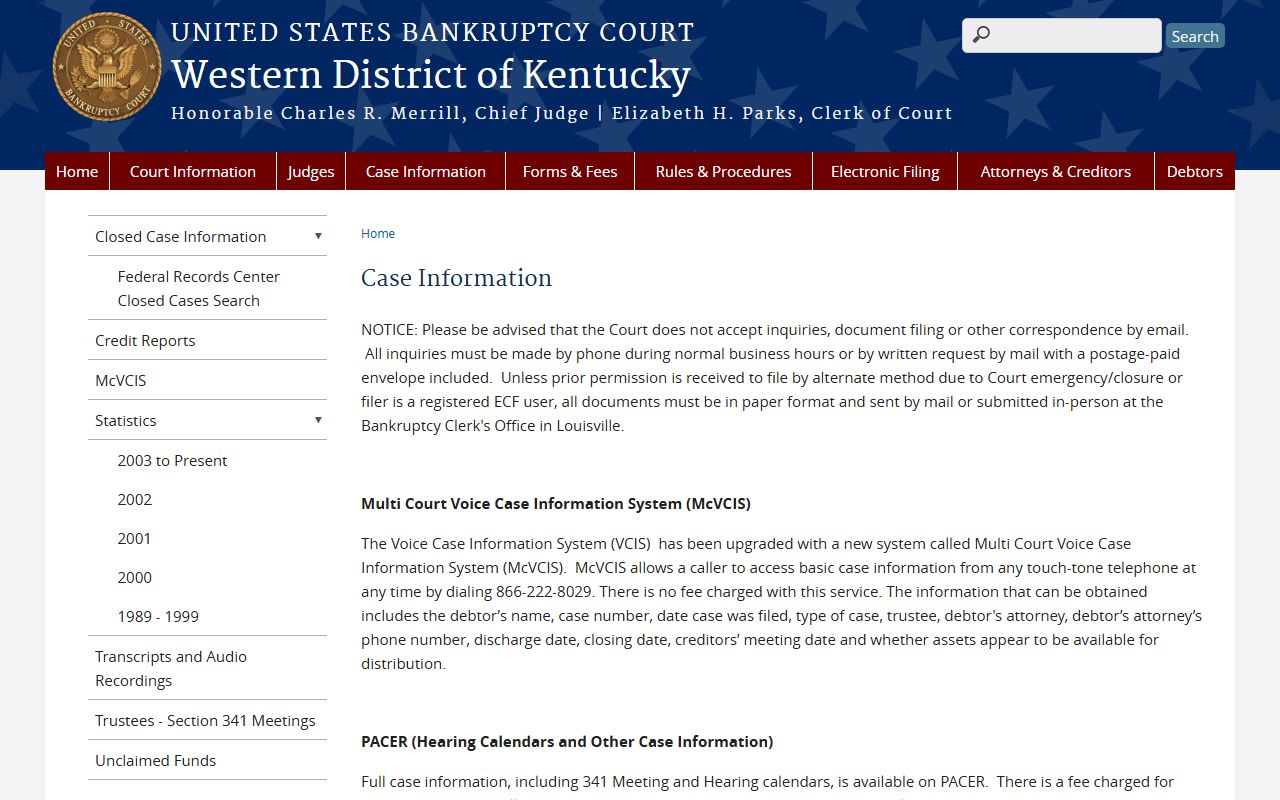
The district case management system provides comprehensive filing information.
Radcliff Bankruptcy Records Filing Process
Filing bankruptcy from Radcliff requires planning. Start by gathering documents. You need tax returns. Get the last two years. Collect pay stubs. You need six months. Gather bank statements. All accounts must be listed. Find loan documents. Mortgages and car loans matter. List all credit cards. Note the balances. Document your property. Value everything fairly. Get appraisals if needed. This preparation takes time. Do not rush it. Accuracy prevents problems later.
Complete credit counseling first. This is mandatory. You must do it before filing. Approved agencies provide this. The course takes about ninety minutes. Topics cover bankruptcy basics. They discuss alternatives. They explain consequences. You receive a certificate. This has a unique number. Include it with your petition. Certificates expire after six months. Do not take it too early. The court rejects stale certificates. Many agencies offer online courses. Some provide phone sessions. Prices vary by provider. Shop for reasonable rates.
File your petition and schedules. Attorneys use electronic filing. This is the CM/ECF system. It is fast and efficient. Pro se filers may also use it. Paper filing is still allowed. Mail documents to Louisville. Use certified mail. This provides proof of filing. Include the filing fee. The fee varies by chapter. Chapter 7 has one rate. Chapter 13 has another. Fee waivers exist for some. You must prove inability to pay. Forms request financial details. The court reviews your request. They approve or deny. Installment plans are alternative. You pay over time. This helps many filers.
The automatic stay protects you. It activates upon filing. This stops most collections. Creditors cannot call anymore. Wage garnishments must stop. Foreclosures pause temporarily. Evictions may be stayed. This protection is powerful. But it has limits. Certain legal proceedings continue. Child support is not stayed. Some tax actions proceed. Secured creditors have options. They can seek stay relief. This lets them repossess property. They must file a motion. The court decides these requests. You can oppose the motion. Explain why stay should continue. The judge hears both sides.
Attend the 341 meeting. This is mandatory. It occurs about thirty days after filing. The trustee conducts it. Creditors may attend. Most choose not to. You must bring identification. Bring your social security card. The trustee verifies your identity. They ask standard questions. Did you list all assets? Are your schedules accurate? Have circumstances changed? Answer truthfully. Lying is a crime. The meeting usually lasts minutes. Complex cases take longer. Bring your attorney if you have one. Self-filers go alone. The trustee may request documents. Provide them promptly. Delays hurt your case.
Complete debtor education last. This is the second course. It must happen after filing. Before discharge is required. The course teaches budgeting. It covers money management. You learn to avoid future problems. Approved providers offer it. You get another certificate. File this with the court. Without it, no discharge. The case closes without debt relief. You would need to reopen. This costs more money. Take the course on time. Do not forget this step. Many people do. Do not be one of them.
Find local forms for filing Radcliff Bankruptcy Records.
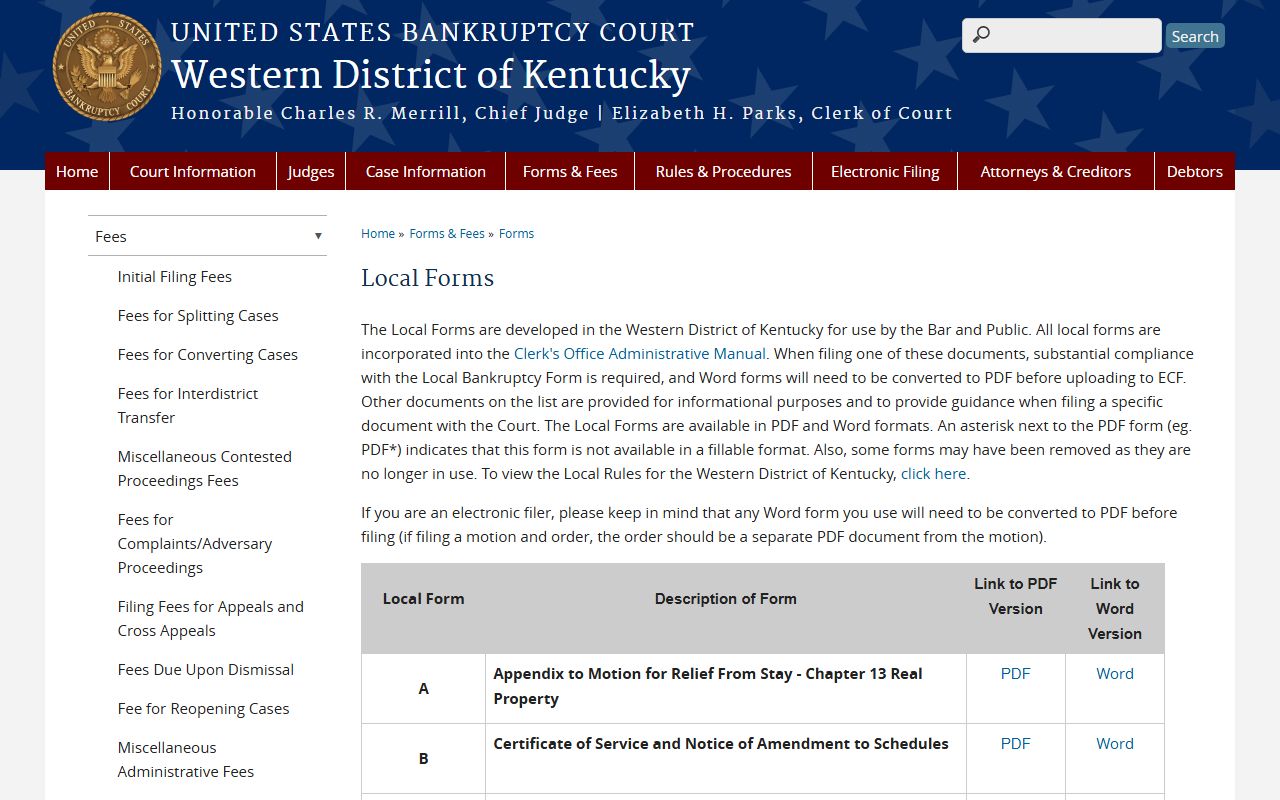
Proper documentation ensures your Hardin County case proceeds smoothly.
Radcliff Bankruptcy Records Legal Resources
Legal help is available near Radcliff. Several organizations serve Hardin County. They offer various services. Some provide free representation. Others offer reduced rates. Know your options. This helps you choose. Quality help matters. But affordability does too. Find the right balance.
Legal Aid Society serves eligible residents. They help low-income people. Income limits apply. Asset limits also apply. Contact them to learn more. Their Louisville office is nearby. They may have local contacts. Services vary by case. Full representation is possible. Brief advice is another option. Both help your situation. Call to schedule an appointment. Bring financial documents. They will assess your case. If they cannot help, they refer you. Other resources exist. They will point you there.
Kentucky Lawyer Referral Service connects you to attorneys. They vet lawyers carefully. You get a consultation. This has a small fee. Usually it is modest. Then you decide about hiring. Ask about bankruptcy experience. Inquire about total costs. Get fee agreements in writing. Most bankruptcy lawyers charge flat fees. This covers standard services. Extra work may cost more. Ask about this upfront. Know what you will pay. Good lawyers explain clearly.
Pro se resources help self-filers. The court provides many forms. These are on the website. Instructions come with each form. Read them completely. The court has help desks. Staff answer general questions. They explain procedures. They identify needed forms. They check document completeness. They do not give legal advice. They do not fill out forms. You must do this yourself. Come prepared with questions. This maximizes your visit.
Online resources provide additional help. The court website has guides. These explain procedures. They cover local rules. National sites offer overviews. These explain bankruptcy law. They discuss chapter differences. Legal aid sites have articles. These explain debtor rights. Use all available resources. Knowledge empowers you. It reduces anxiety. You will know what to expect. This helps you succeed.
Access legal referral services for Radcliff Bankruptcy Records assistance.

Professional legal guidance is available for residents of Hardin County.
Nearby Radcliff Bankruptcy Records
Several cities near Radcliff share court resources. They all use the Louisville office. The Western District serves the region. Each city has unique needs. But procedures remain the same. Forms are identical. Rules do not change. This helps everyone involved. You know what to expect. No matter where you live. The system is consistent.
Louisville is the main hub. Most cases file there. The office is fully staffed. It has the most resources. Elizabethtown is closer to Radcliff. Many Hardin County residents live there. They also file in Louisville. The drive is reasonable. Jeffersontown is another suburb. It is near Louisville. Residents there use the same court. Bowling Green is further south. It has its own division. But some cases still go to Louisville. Check your county assignment. This determines your venue.
These nearby communities share resources. They use the same forms. They follow identical rules. The court treats all equally. Location does not matter. The law applies uniformly. This is federal bankruptcy law. It preempts state variations. Everyone gets fair treatment. This is the systems strength. It protects all filers equally.
Hardin County Bankruptcy Records
Radcliff is located in Hardin County. View the county page for additional regional information about bankruptcy records and court resources in the area.