
Ashland Bankruptcy Records
Ashland lies in northeastern Kentucky along the Ohio River. This historic city serves Boyd County. Many residents seek bankruptcy relief each year. Federal courts handle these cases. The Eastern District oversees Ashland. Records remain public after filing. You can access them easily. This page shows you how. We cover search methods. We explain document types. You will learn court locations. The process becomes clear. You can find what you need. Whether for yourself or research. The information is available. You just need to know where.
Begin your search for Ashland Bankruptcy Records using the tools above.
Ashland Bankruptcy Court Facts
Ashland Bankruptcy Records Court Location
The Ashland Division office serves eastern Kentucky. It is a non-staffed facility. No clerks work on site daily. All questions go to Lexington. The office remains open for access. A public terminal is available. You can search records there. This connects to PACER. You pay no fees at the terminal. This saves money for residents. The office is downtown. The building is the Carl Perkins Federal Building. The address is 1405 Greenup Avenue. Parking is on the street. The building has security screening. Bring valid identification.
Ashland residents file various chapter cases. Chapter 7 is most common. This liquidates assets. It discharges unsecured debts. The process takes months. Chapter 13 involves repayment. Debtors pay over three to five years. They keep their property. Businesses may file Chapter 11. This reorganizes company debts. All cases start with paperwork. Forms are available online. The court website has them. You can also get paper forms. These are available at the office. Though no staff are there. Forms sit in public areas.
The Eastern District uses electronic filing. Attorneys must file online. Pro se filers have options. They may file electronically. They may use paper. Paper filings go to Lexington. Mail them to that office. Include the correct fee. Or request a waiver. Waivers need supporting documents. Show financial hardship clearly. The court reviews requests. They approve qualifying applicants. Others may pay in installments. This spreads the cost. It helps many filers manage.
Bankruptcy records serve many purposes. Discharge orders prove debt elimination. These help with credit repair. Lenders want to see them. Schedules show what you owned. This proves asset history. Trustees reports track progress. These show case administration. Final orders close cases. All these documents matter. Keep copies for years. You may need them later. Banks often request them. Employers might ask too. Landlords check credit history. Your records tell the story. Having them helps explain.
Below is the contact information for the Ashland Division. Remember staff work in Lexington. Call that office for help. The Ashland location accepts filings. Processing happens elsewhere. Allow time for this. Electronic filing is faster. You get confirmation quickly. The system generates case numbers. These arrive immediately. This speeds everything up. Consider filing online if possible.
| Court | Eastern District of Kentucky - Ashland Division |
|---|---|
| Address |
Carl Perkins Federal Building 1405 Greenup Ave Ashland, KY 41101 |
| Phone | (859) 233-2608 (directed to Lexington) |
| Status | Non-staffed office; public terminal available |
| Website | kyeb.uscourts.gov |
View the courthouse location where Ashland Bankruptcy Records are maintained.
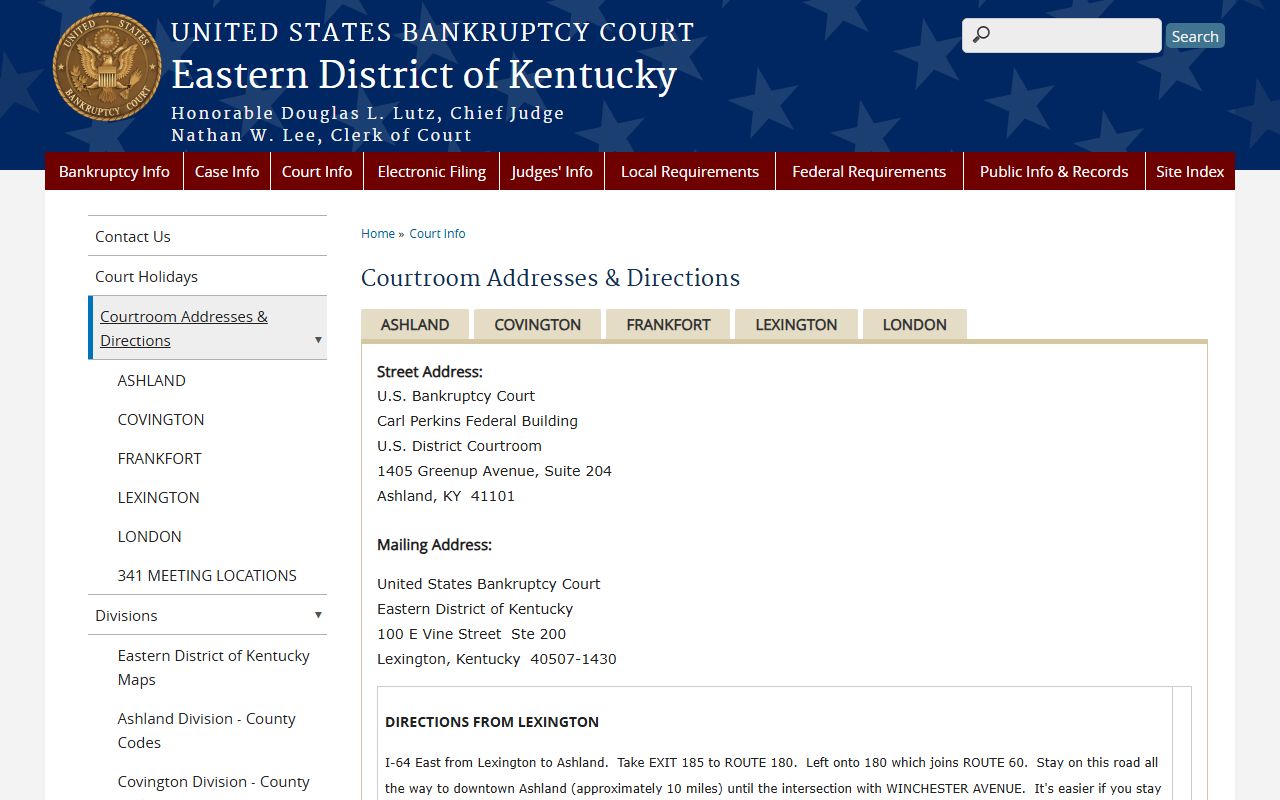
The Carl Perkins Federal Building houses the division office for Boyd County.
How to Search Ashland Bankruptcy Records
Searching Ashland Bankruptcy Records requires preparation. Start with basic information. You need a name. A case number helps more. Dates narrow the search. The PACER system holds all records. It covers federal courts nationwide. Eastern District cases are there. You must register first. Create an account online. Provide contact details. Add a payment method. Searches cost ten cents per page. These fees accumulate. Plan before you search. Know what you want. This saves time and money.
The PACER homepage lists options. You can search by name. This finds all cases for a person. It may find similar names. Use additional details to narrow. Birth years help distinguish. You can search by case number. This goes directly to one case. It is the fastest method. You can also browse courts. Select the Eastern District. Then choose the Ashland Division. This shows local filings. The display shows case summaries. Click for full details. The docket sheet appears. This lists all documents. Each has a link. Click to view content. Remember charges apply. Each page view costs money.
The Ashland public terminal is free. Visit the Federal Building. Use the computer there. Access PACER without fees. This benefits large research projects. You can view many documents. Print if needed. Copying costs apply. Or bring a USB drive. Save files digitally. This is cheaper. The terminal is available during hours. Check the court website. Current times are posted. Plan your visit accordingly. Allow sufficient time. Searches take patience. Old cases need careful looking. Names may vary in spelling. Try different approaches. Check married and maiden names. Business names may differ too.
Commercial services offer alternatives. Some companies search for you. They charge flat fees. This may save money. It definitely saves time. They deliver compiled results. Be selective with services. Check their reputation. Ask about data sources. Reliable services use PACER. They provide official documents. Avoid vague offerings. You want actual court records. Not database summaries. For legal needs, use official sources. Your interests stay protected. The court record is authoritative. Nothing else matches it.
Access the PACER terminal at the Ashland office for free record searches.
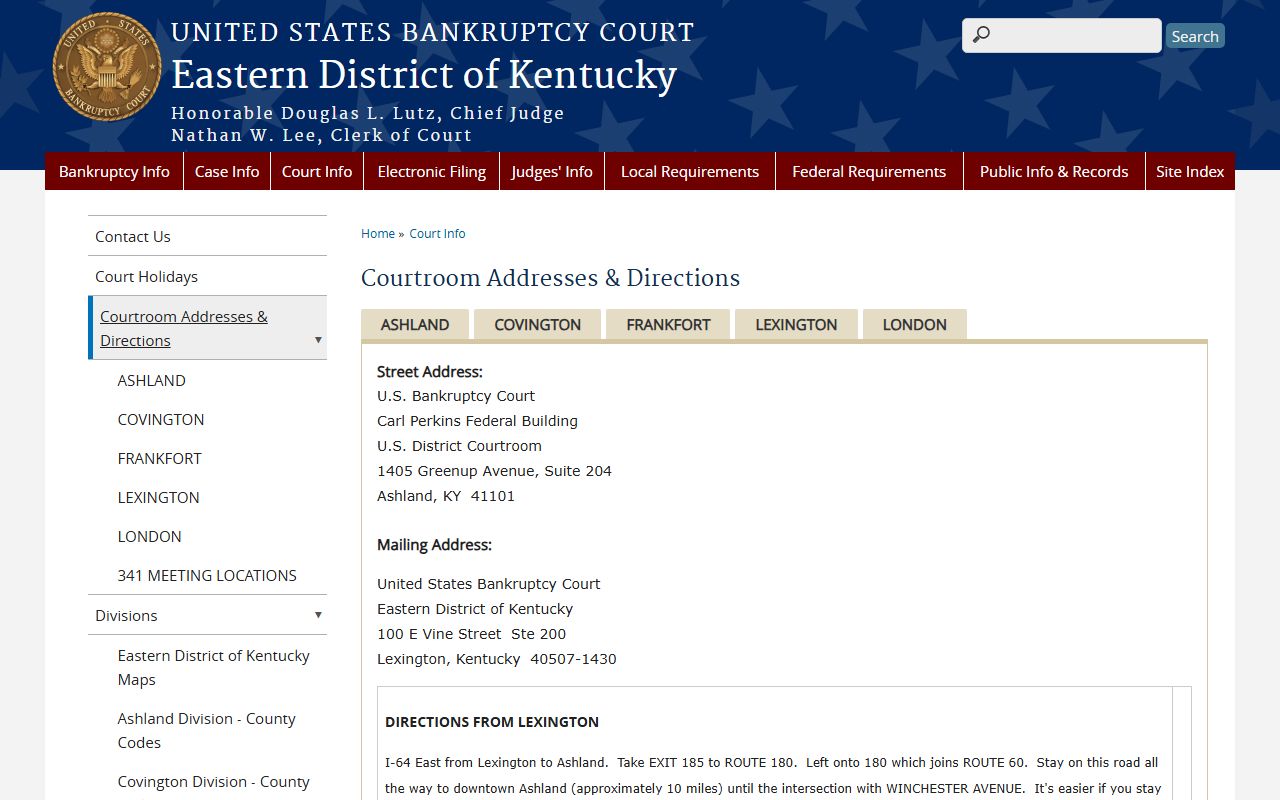
The public terminal provides no-cost access to federal case information.
Ashland Bankruptcy Records Document Types
Ashland Bankruptcy Records contain various documents. Each type serves a function. Understanding them helps you search. You know what to request. The petition opens the case. It is the foundational filing. It lists debtor information. Full legal names appear. Current addresses are included. Social security numbers are provided. The petition states the chapter. This determines case type. It fixes the filing date. This date starts the stay. It has many legal effects. The petition must be accurate. Errors cause delays. They may cause dismissal.
Schedules detail financial matters. They accompany every petition. Schedule A lists real property. Homes and land go here. Schedule B covers personal items. Cars and household goods appear. Bank accounts are listed. Schedule C claims exemptions. Kentucky law protects some assets. Federal law protects others. Pick one system. You cannot mix them. Schedule D lists secured debts. Mortgages appear here. Vehicle loans are included. Schedule E covers priority debts. Taxes are priority claims. Child support is priority too. Schedule F lists unsecured debts. Credit cards go here. Medical bills appear here. Personal loans are listed. Schedules I and J show income and expenses. These determine repayment ability.
The means test form is important. It decides Chapter 7 eligibility. Higher income may require Chapter 13. The form compares income to median. Kentucky has specific standards. The calculation uses six months. It allows certain deductions. Taxes are deductible. Secured debt payments are too. The result shows disposable income. Negative means Chapter 7 is possible. Positive suggests Chapter 13. This test affects many people. Review it carefully. It shapes your options.
Trustee reports document case progress. Every case has a trustee. They oversee the process. They review all filings. They verify accuracy. They conduct 341 meetings. Debtors must attend these. The trustee files reports afterward. These note meeting results. They list needed amendments. They track assets found. Trustees also file final reports. These detail case closure. Asset cases have distribution reports. These show creditor payments. All trustee documents are public. They provide case context. They show what happened.
Court orders control case outcomes. Judges sign these. They have legal effect. Orders modify your rights. Discharge orders eliminate debts. These come at case end. Most unsecured debts are discharged. Some survive bankruptcy. Student loans usually remain. Recent taxes are not discharged. Support obligations continue. Orders may change plans. Chapter 13 plans sometimes need changes. Income changes cause this. Orders make changes official. All orders matter. Keep every copy.
Access Eastern District case information for Ashland Bankruptcy Records.

The district website provides comprehensive case management tools for filers.
Ashland Bankruptcy Records Filing Process
Filing bankruptcy in Ashland follows federal procedures. Start with document gathering. Collect tax returns. Two years are needed. Gather pay stubs. Six months are required. Find bank statements. All accounts must be listed. Collect loan papers. Note all creditors. Document your property. Value everything honestly. The court checks values. Errors cause problems. Accuracy is essential. Do not rush preparation.
Complete credit counseling first. This is mandatory. Do it before filing. Use an approved agency. Courses last about ninety minutes. Topics include bankruptcy basics. They cover alternatives. They explain consequences. You get a certificate. It has a unique number. File this with your petition. Certificates expire. They last six months. Do not take it too early. The court rejects expired certificates. Many agencies offer online options. Some have phone courses. Prices vary. Compare before choosing.
File your petition and schedules. Attorneys use electronic filing. This is required for them. Pro se filers may use it too. Paper filing is also allowed. Mail paper to Lexington. Use certified mail. This proves filing. Include the filing fee. Or submit a waiver request. Waivers need documentation. Show you cannot pay. The court reviews requests. Approved waivers cost nothing. Otherwise, pay in installments. This spreads the burden. Many filers use this option.
The automatic stay protects filers. It starts upon filing. This stops most collections. Creditors must stop calling. Garnishments must cease. Foreclosure pauses temporarily. Eviction may be stayed. The stay is powerful. But it has limits. Certain legal matters continue. Child support is not stopped. Some tax actions proceed. Secured creditors can move. They may seek stay relief. This allows repossession. They file a motion. The court decides. You can oppose it. Explain your position. The judge hears both sides.
Attend the 341 meeting. This is required. It happens after filing. About one month later. The trustee runs it. Creditors may attend. Most do not. Bring photo ID. Bring your social security card. The trustee verifies identity. They ask questions. Did you list everything? Are your schedules accurate? Have things changed? Answer honestly. Lying is serious. The meeting is brief. Usually just minutes. Complex cases take longer. Bring your attorney. Or go alone if self-filed. The trustee may want documents. Provide them quickly. Delays hurt your case.
Finish debtor education last. This is required too. Do it after filing. Before discharge is necessary. The course teaches budgeting. It covers money management. Approved providers offer it. You get a certificate. File it with the court. Without it, no discharge. Your case closes without relief. You must reopen it. This costs extra. Take the course on time. Do not forget. Many people do. Avoid this mistake.
Find local forms for filing Ashland Bankruptcy Records.
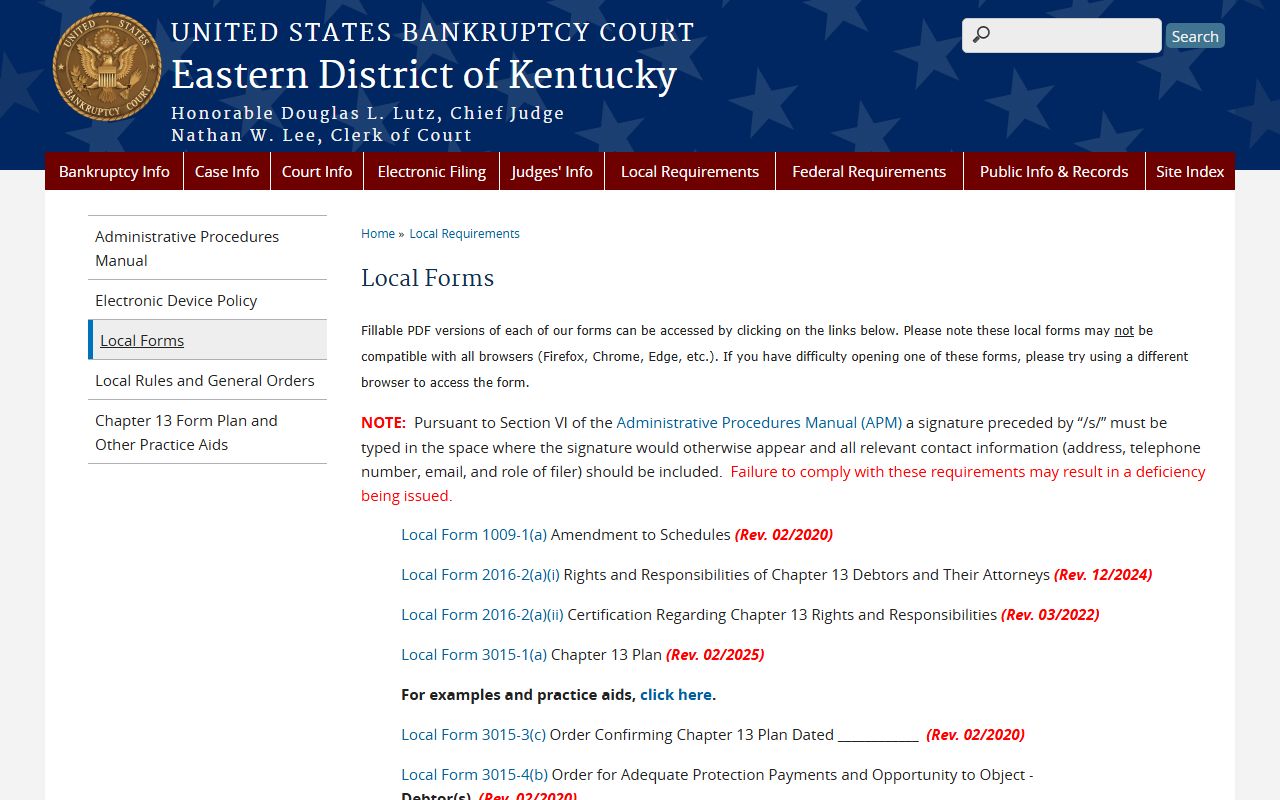
Correct forms ensure your Boyd County case proceeds without complications.
Ashland Bankruptcy Records Legal Resources
Legal assistance is available in Ashland. Several organizations serve the area. They offer various services. Some representation is free. Other help is reduced cost. Know your choices. This helps you decide. Quality matters. So does cost. Find the right balance. Your situation is unique. Match help to your needs.
Legal Aid of the Bluegrass serves the region. They help low-income residents. Income guidelines apply. Asset limits matter too. Contact them to apply. Their services vary. Some get full help. Others get brief advice. Both are valuable. Call to start the process. Bring financial papers. They will review your situation. If they cannot assist, they refer you. Other resources exist. They will guide you there.
Kentucky Lawyer Referral Service connects you to attorneys. They screen for experience. You get a consultation. A small fee applies. Then you decide about hiring. Ask about bankruptcy work. Inquire about total fees. Get agreements in writing. Most charge flat fees. This covers basic services. Extra work costs more. Clarify this upfront. Know your total cost. Good lawyers explain everything.
Pro se resources help self-filers. The court provides forms. These are on the website. Instructions come with them. Read these carefully. The court has help desks. Staff answer general questions. They explain procedures. They identify needed forms. They check completeness. They do not give legal advice. They do not fill forms. You do this yourself. Come with questions ready. This helps the visit.
Online resources add more help. The court website has guides. These explain procedures. They list local rules. National sites give overviews. These explain bankruptcy law. They discuss chapter options. Legal aid sites have articles. These explain rights. Use all resources. Knowledge helps you. It reduces stress. You know what to expect. This aids success.
Access legal aid resources for help with Ashland Bankruptcy Records.
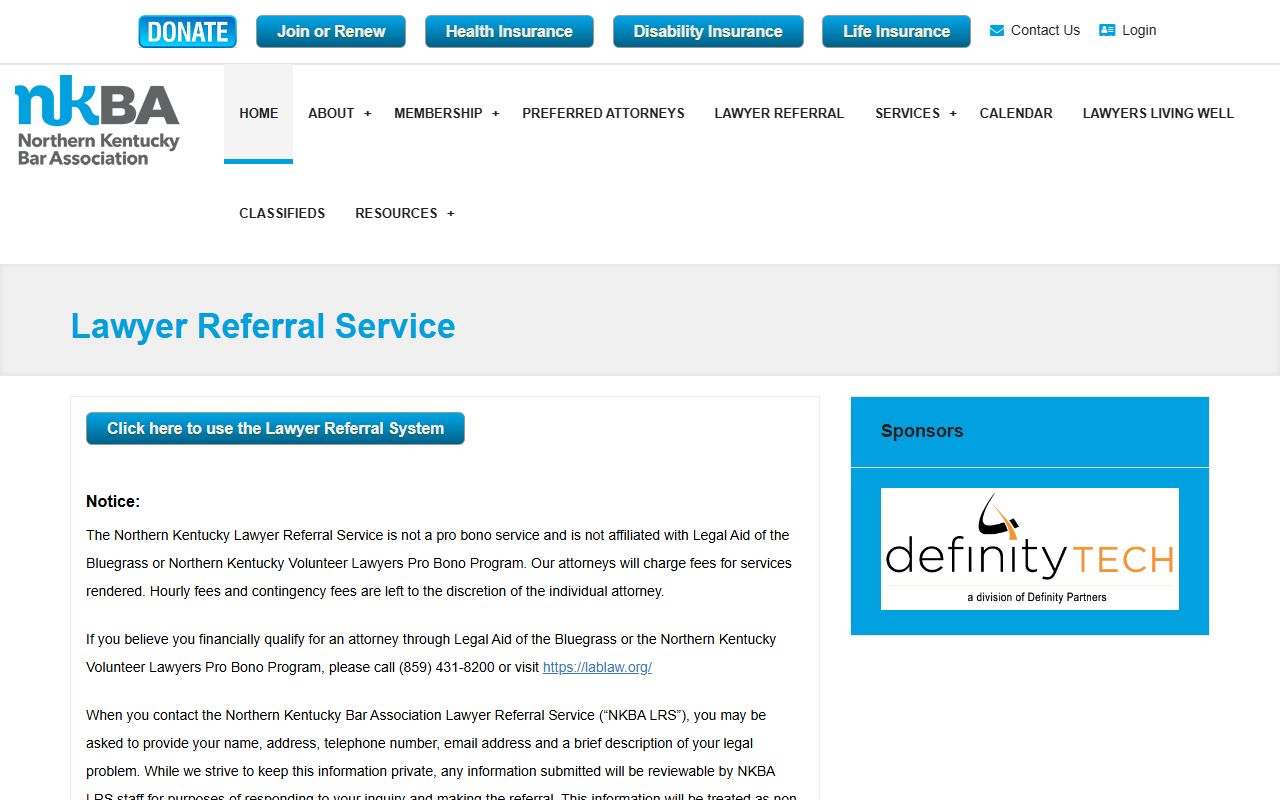
Professional assistance is available for residents of Boyd County seeking financial relief.
Nearby Ashland Bankruptcy Records
Other eastern Kentucky cities share court resources. They use the same district. The Eastern District serves the region. Each city has local needs. But procedures are uniform. Forms are identical everywhere. Rules apply equally. This helps all residents. You know what to expect. Your location does not change the law. The system treats all fairly.
Lexington is the main hub. It has a staffed office. Most questions go there. It handles many cases. Covington serves northern areas. It is across the river. Some Ashland area residents are near there. Richmond is to the south. It also uses Eastern District courts. Frankfort is the state capital. It is in the district too. Check which office serves you. This depends on your county. The court website lists counties. Find your location there. Follow the assigned division rules.
These nearby cities share resources. They use the same district court. Local rules apply uniformly. Forms are identical. Procedures do not vary. This standardization benefits everyone. You know what to expect. The system remains consistent. This helps Kentucky filers. It simplifies the process. You can rely on the rules.
Boyd County Bankruptcy Records
Ashland is located in Boyd County. View the county page for additional regional information and court resources related to bankruptcy records in the area.